Basket Raffle Ideas That Actually Raise More Money
Not just ideas. Real-world strategy from thousands of nonprofit events — what drives ticket sales, what quietly kills revenue, and how to build baskets that supporters actually compete for.
-
✓Theme guides — wine, spa, coffee, pet, family, sports, and 80+ more with builds and pricing
-
✓Bundle pricing strategy — the $11 vs $64 analysis that changes everything
-
✓Sourcing scripts — how to get local businesses to donate without begging
-
✓Platform guidance — 8 questions to ask any software before you commit
-
✓Real hotline stories — the mistakes that cost real organizations real money
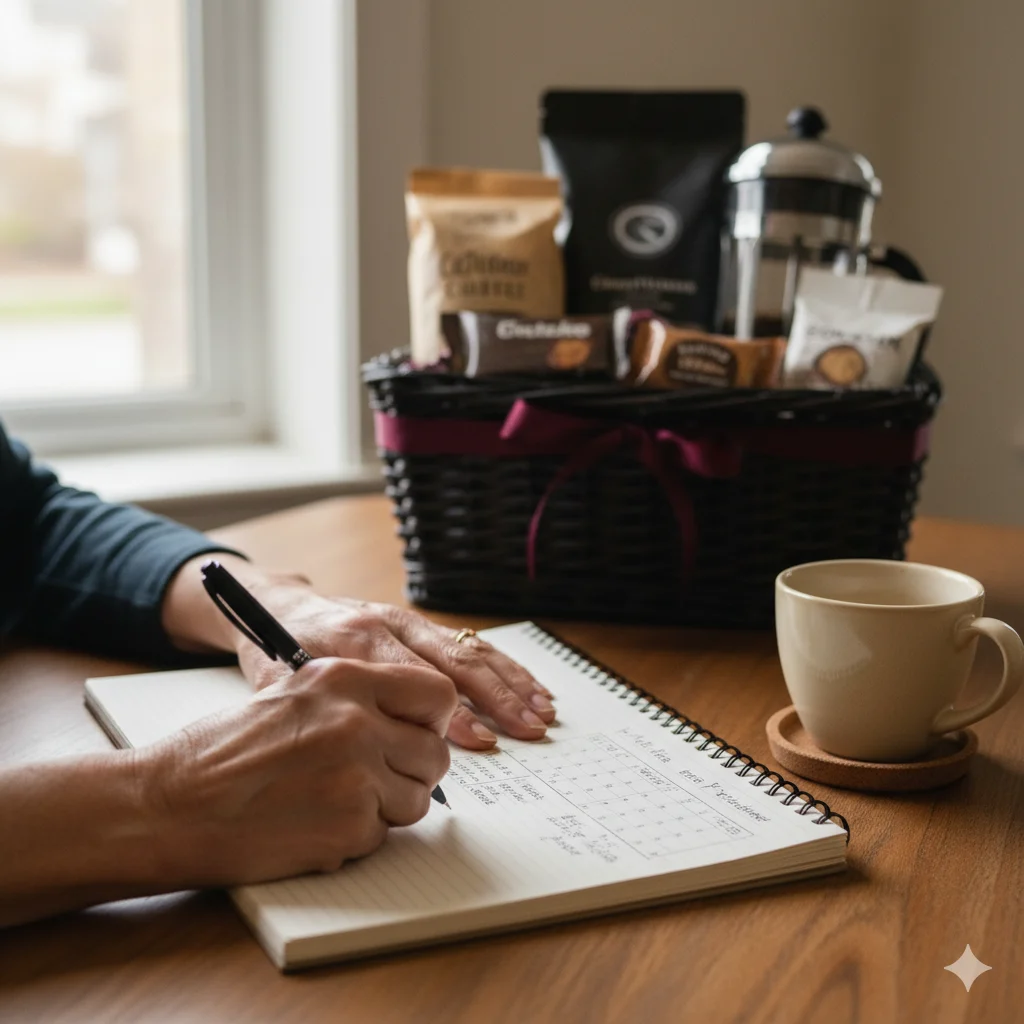
They fail because the structure is wrong.
We've seen it thousands of times: great organization, strong community, solid prizes — and still weak results. The problem is almost never the basket. It's the pricing structure, the platform choice, the basket naming, or the checkout experience.
This site exists to fix that. Everything here is built from real raffle experience — real support calls, real event data, and real mistakes that cost real organizations real money. If you want your raffle to raise more money, the answers are here.
The most common mistake in basket raffle planning isn't picking the wrong theme — it's picking no real theme at all. "Gift Basket Assortment" raises less than the same items packaged as "Spa Night for One." Specificity creates desire. Desire moves tickets. Bundle pricing does the rest.
Most Basket Raffles Fail Because of Structure, Not Prizes
These are the six structural problems that quietly kill basket raffle revenue. None of them require spending more money to fix — only recognizing them before the event.
No bundle pricing
Single-ticket pricing caps average order size at ~$11. Bundle pricing pushes it to ~$64. Same event, same crowd, same baskets — only the pricing structure changes.
Fix: Add 5-for-$20 and 15-for-$50 before you launch. Don't remove single tickets — just add the option above them.Vague basket names
"Assorted Gift Basket" doesn't make anyone reach for their wallet. "Wine & Cheese Night for Two" does. The name is the first and most powerful sales tool on your prize table.
Fix: Name the experience, not the inventory. "Morning Ritual" beats "Coffee Basket" every time.Wrong platform architecture
Most "free" raffle platforms use a single shared ticket pool. That is not a basket raffle — it removes the allocation psychology that makes the format work. Supporters can't choose specific prizes.
Fix: Ask any platform to demonstrate per-basket ticket allocation before you commit. Most can't do it.Tip-based checkout friction
Platforms with a 17–29% surprise tip prompt at checkout drive 30–40% abandonment at community events. A fixed disclosed fee produces 1–2% abandonment. Free to the org is expensive if buyers walk.
Fix: Verify how your platform handles checkout fees before launch — not after 40% of your buyers have left.No basket photos
Supporters allocate tickets based on what they can see. A basket with one dark phone photo raises significantly fewer tickets than the same basket with three clear, well-lit images. Critical for online events.
Fix: Three photos minimum per basket. Natural light. Gift card visible. Label facing out. Photo the contents spread out.Cash buyers excluded
At in-person events, supporters who pay cash at the door get excluded from most digital platforms' drawing pools. Either they're left out entirely or you run a parallel manual system that breaks integrity.
Fix: Use a platform with manual order entry that adds cash buyers directly into the correct basket's ticket pool.Basket Themes That Actually Sell Tickets
These are the proven high-performing categories — each with a dedicated guide covering builds at multiple price points, sourcing scripts, bundle pricing setup, and what to avoid.
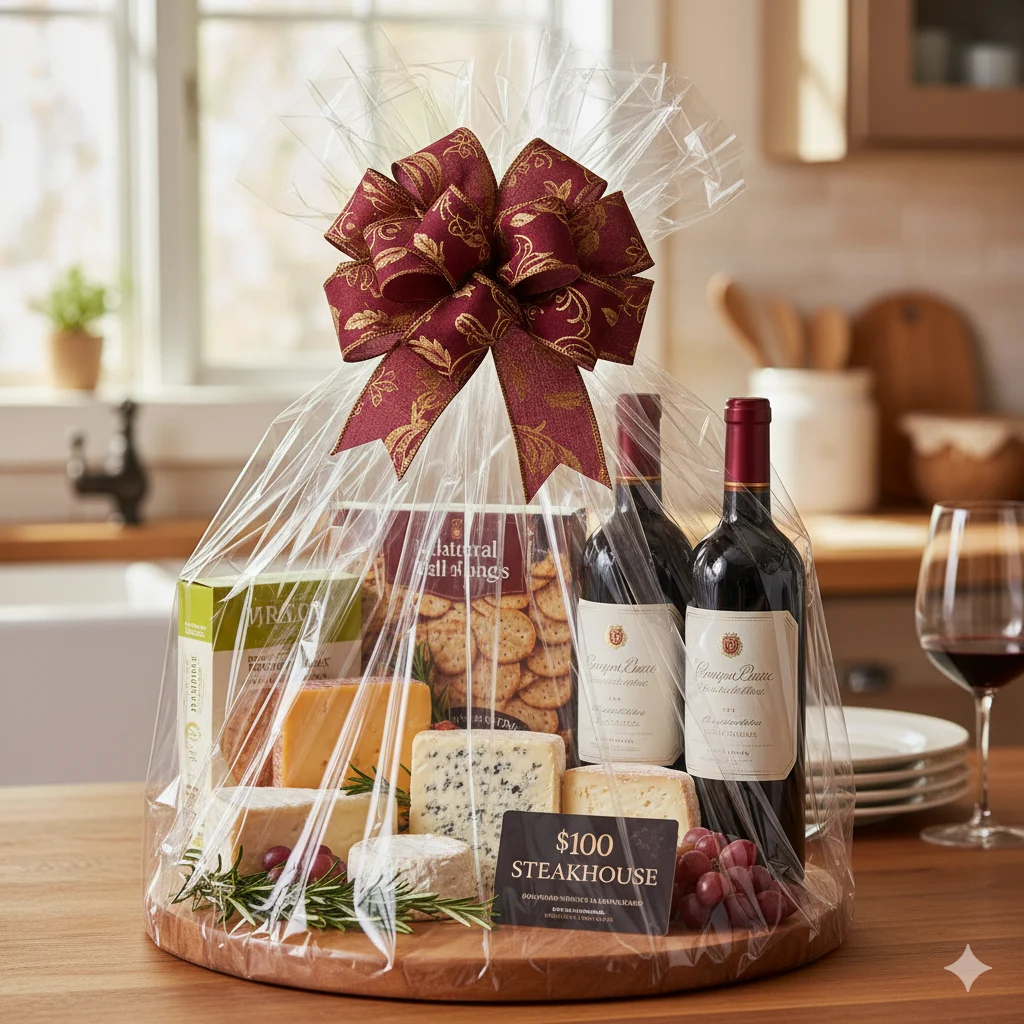
Wine & Cheese Night
The undisputed #1 ticket-earner at adult events. Two bottles, artisan cheese board, crackers, and a restaurant gift card. Clear experience, high perceived value, universal adult appeal.
See builds & pricing →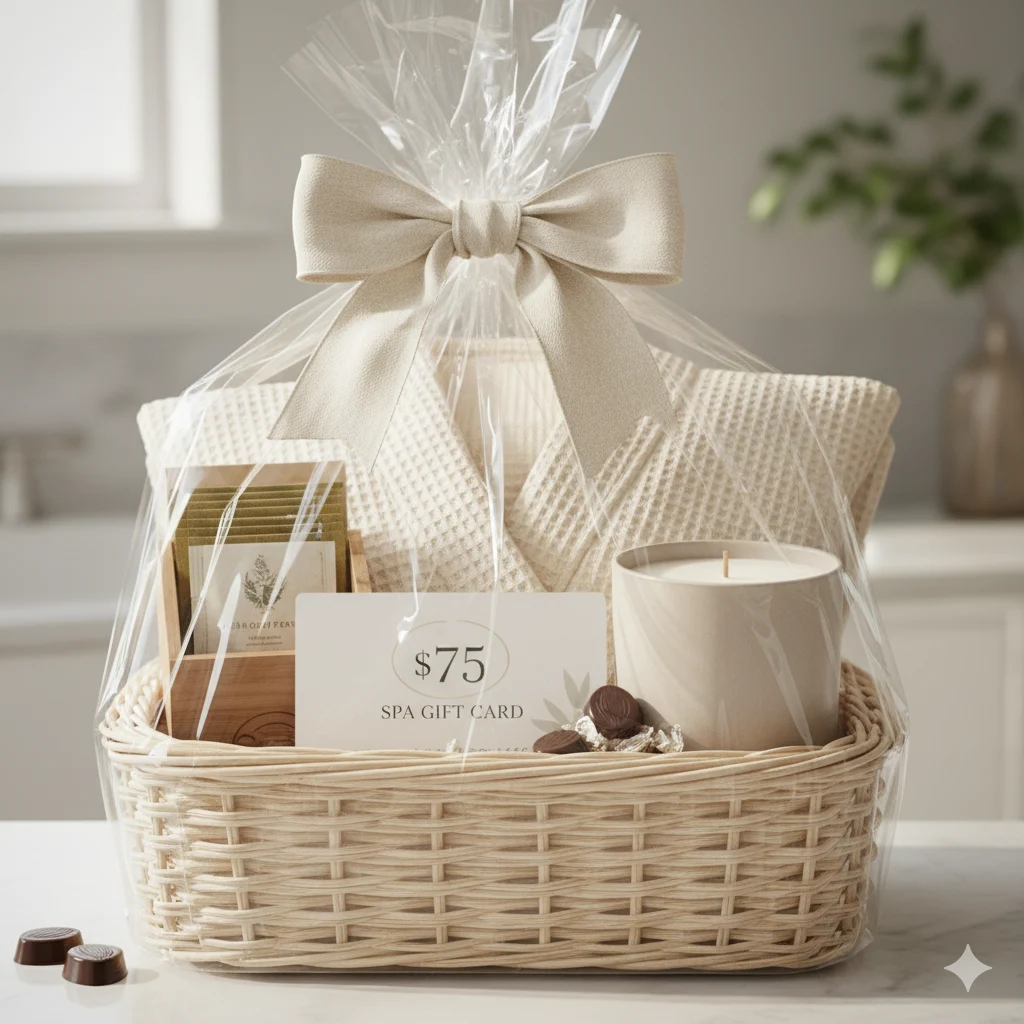
Spa & Self-Care
Supporters feel they deserve this basket — and that psychology drives repeat ticket allocation. The one-item fix (a $50 local spa gift card) turns a $250 basket into a $900 one.
See the one-item fix →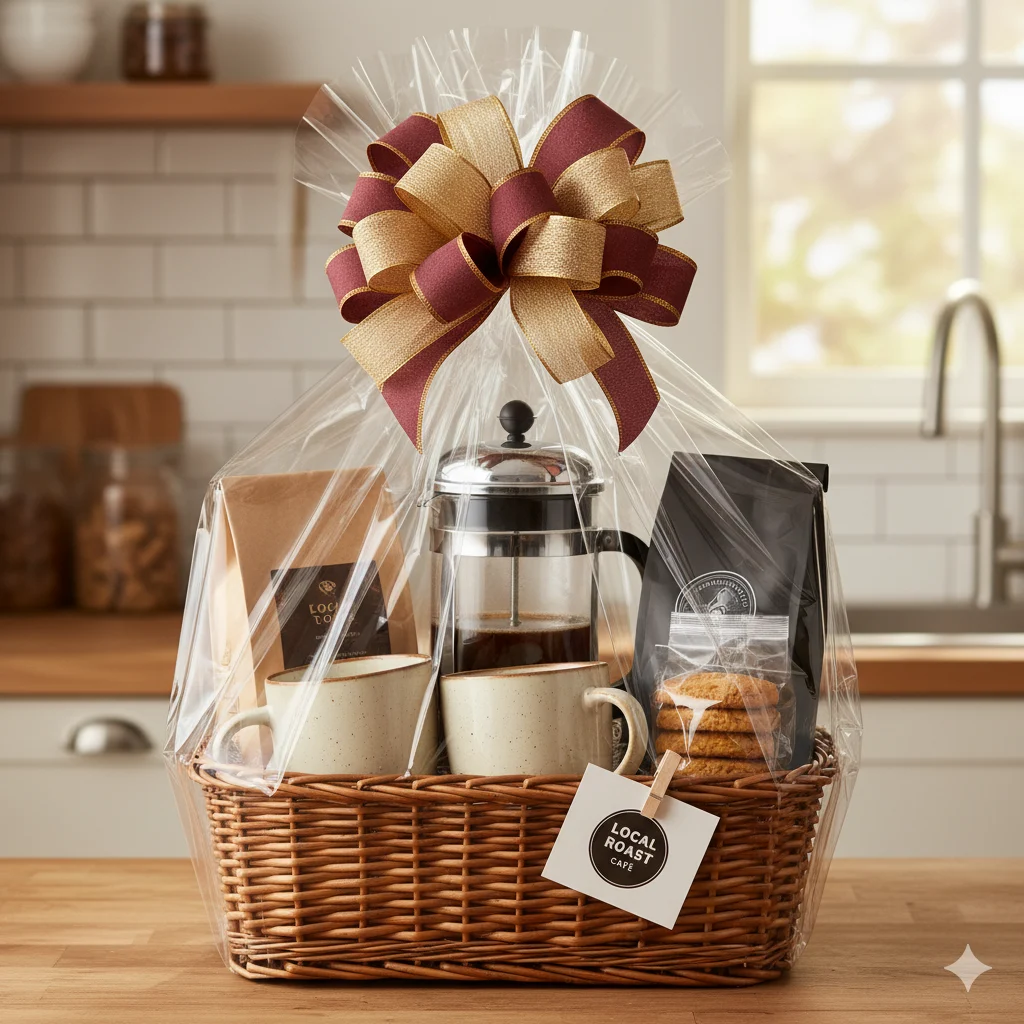
Coffee Lover Kit
Coffee removes the "will I use this?" question entirely — 70% of adults drink it daily. The best builds combine a brewing method, premium beans, and a local café gift card.
See 4 proven builds →
Pet Lover Bundle
Pet owners are emotionally engaged buyers who allocate heavily and early in the event. Premium food, a cozy bed, a grooming gift card, and treats. Quietly powerful at almost every event type.
See builds →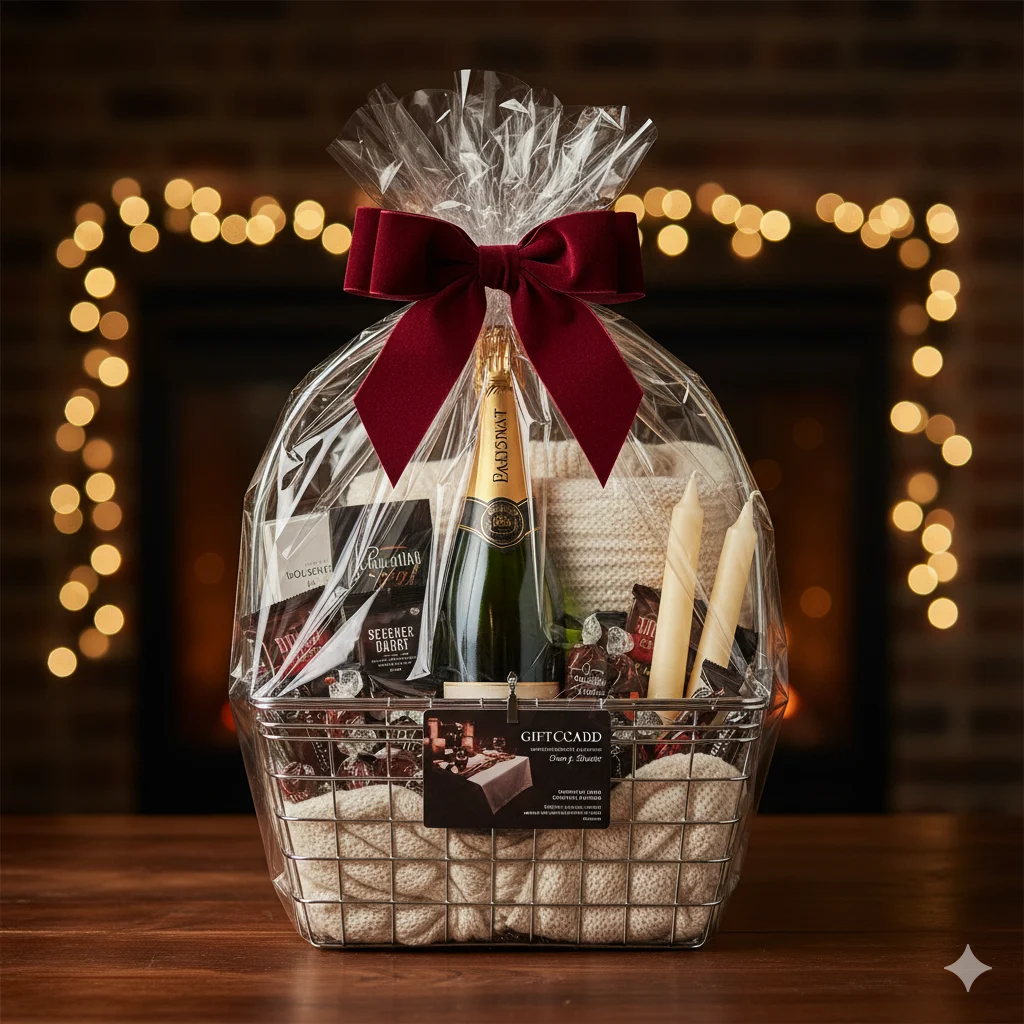
Date Night
Couples make allocation decisions together and buy more tickets as a unit. A restaurant gift card, wine, chocolates, and a candle — simple, high-value, and consistently strong at community events.
See builds →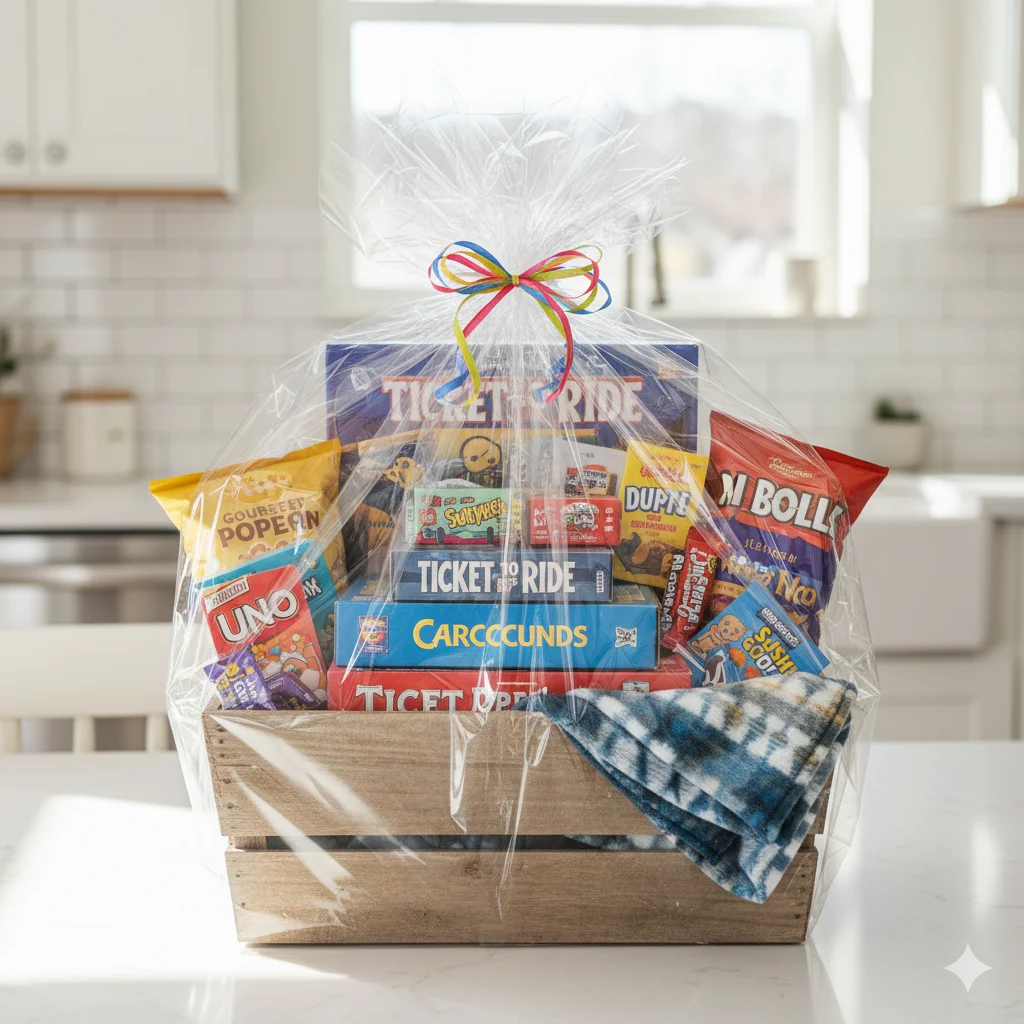
Family Game Night
One of the top sellers at school PTAs and community events where families attend together. Board games, card games, popcorn, and movie supplies. High participation volume from parents and families.
See builds →How a Basket Raffle Actually Works
A basket raffle is fundamentally different from a standard raffle. Understanding the mechanism is what makes every strategy recommendation on this site make sense.
Each basket has its own ticket pool
Unlike a standard raffle where all tickets share one drawing, each basket raffle prize has an independent pool. Only tickets allocated to that basket compete for it. This is the core architecture most platforms get wrong.
Supporters buy bundles, then allocate
Supporters buy ticket bundles — 5 for $20, 15 for $50 — then choose how to distribute them across the baskets they want. This choice is the entire engagement and revenue mechanism.
Each basket draws its own winner
At event close, each basket independently draws one winner from its own pool. Supporters who concentrated their tickets on a specific prize have a higher chance of winning it. The incentive to buy more is real.
Structure determines revenue
The same 150-person event with single-ticket pricing earns ~$1,500. With bundle pricing and clear basket themes, it earns $8,000–$12,000. The crowd doesn't change. The structure does.
Average order size with bundle ticket pricing — versus roughly $11 with single-ticket pricing. Same event. Same crowd.
Across thousands of basket raffles run through Chance2Win, single-ticket pricing consistently caps order size at around $11 per buyer. Bundle pricing — 5 tickets for $20, 15 for $50 — pushes that to $64. Not because of any trick. Because supporters who buy bundles have tickets to spread across the baskets they want, and that allocation decision is what drives spending up. It's basket raffle psychology working exactly as designed.
"Your software seems stupid. Why bundles? What if someone wants to buy 3 tickets?"
Learn the Strategy That Makes Any Basket Work
The basket is only one variable. The structure around it — pricing, promotion, platform, and presentation — determines 80% of the result. These guides cover everything that happens outside the basket itself.
Bundle Pricing Strategy
The complete analysis of why $64 average orders beat $11 average orders — and how to set up your ticket tiers for maximum revenue at any event size.
Read the guide →How to Run a Basket Raffle
Complete planning guide — 60-day countdown, basket building, drawing logistics, and how to handle online and cash buyers in the same event pool.
Read the guide →Basket Raffle Software Guide
The 8 questions to ask any platform before you commit — most fail at least three. Per-basket pools, cash entry, drawing tools, and checkout friction explained.
Read the guide →Sourcing Scripts That Get the Yes
How to turn "can you donate something?" into "we'd love to feature your brand." Scripts for coffee shops, wineries, restaurants, salons, and pet stores.
Read the guide →Why Basket Raffles Fail
The 7 most common problems — platforms that break, pricing that kills conversion, baskets without photos, cash buyers excluded. Real cases. Real losses avoided.
Read the guide →How to Build a Raffle Basket
Assembly, presentation, photography, and the display choices that increase ticket allocation. The basket that looks great online sells more — here's how to get there.
Read the guide →Structure Determines Revenue. Not Prize Value.
The most expensive baskets don't always earn the most. The most clearly presented, correctly priced, well-named baskets do. Here's what the data actually shows drives ticket allocation.
-
1Bundle ticket pricing — the biggest single variable. Every other recommendation on this site matters less than this one. Moving from single-ticket to bundle pricing increases average order size from ~$11 to ~$64. That gap is the entire margin between a disappointing event and a successful one. Do this before changing anything about the baskets themselves.
-
2Basket names that describe an experience, not a category. "Wine & Cheese Night for Two" drives more tickets than "Wine Basket." "Morning Ritual" drives more than "Coffee Gift Set." The name is your first and most powerful sales tool. If the name doesn't make a supporter immediately picture themselves winning it, rewrite the name before you build the basket.
-
3Three or more photos per basket — well-lit, gift card visible. Supporters make allocation decisions based on what they can see. At online and hybrid events, a basket with one dark photo earns significantly fewer tickets than the same basket with three clear images. Show the gift card. Show the label. Show the contents spread out.
-
4A platform with real per-basket ticket pools. If all tickets enter a single shared pool, that is not a basket raffle. Per-basket allocation — where supporters choose which prizes to enter — is the mechanism that makes the format work. Ask any platform to demonstrate this before you build a single basket. Most platforms that claim to support basket raffles cannot demonstrate this feature.
Everything your committee needs before the first planning meeting — 60-day event checklist, 20 proven basket build sheets with cost estimates, ticket pricing calculator, and the donor outreach email template that gets local businesses to say yes.
Download Free →What's inside
- 60-day event checklist
- 20 themed basket build sheets
- Ticket pricing calculator
- Donor outreach email template
- Common mistakes reference card
- Platform selection checklist
Frequently Asked Questions
Build Better Baskets. Raise More Money.
You don't need more prizes. You need better structure, better pricing, and a platform that doesn't get in the way. Start with the right foundation — then apply the strategies that actually work in the real world.